Vistra logo

Vistra

TickerVST
SectorUtilities
IndustryUtilities - Independent Power Producers
Market cap$51.02 B
Mock preview
Share price$152.02
Today-1.39%
Revenue$17.74B
Earnings$944.00M
Free cash flow$1.32B
Overview

What Vistra is

Vistra is a power company with two halves. Its power plants generate electricity and sell it in bulk, and its retail brands buy electricity and resell it to homes and businesses. Companies built this way are called gentailers, short for generator plus retailer. The pairing is the point: when bulk power prices spike, the retail side’s costs go up but the plants earn more, so a swing that hurts one half helps the other.

  • ~44,000 MW of plants
  • ~5M retail customers
  • ~$8.5B sold plant-to-retail

How the grid sets prices

The grid can store very little electricity, so power has to be generated the instant it’s used. To keep up, the grid operator calls on plants in order of cost, cheapest first, adding more as demand climbs. Every plant running at that moment is generally paid the price of the last one called. On a mild night that price is low; on a scorching summer evening it can soar, and the plants that are cheapest to run earn the most.

How power plants get paid

A plant can earn money three ways. It sells the electricity it generates, either at whatever the market pays in the moment or at a price locked in ahead of time with a buyer who wants certainty. It can be paid to stay available for the grid’s hardest days, even if it’s never called on. And it can be paid to hold power in reserve, ready to step in within minutes if another plant suddenly fails.

Why the regions differ

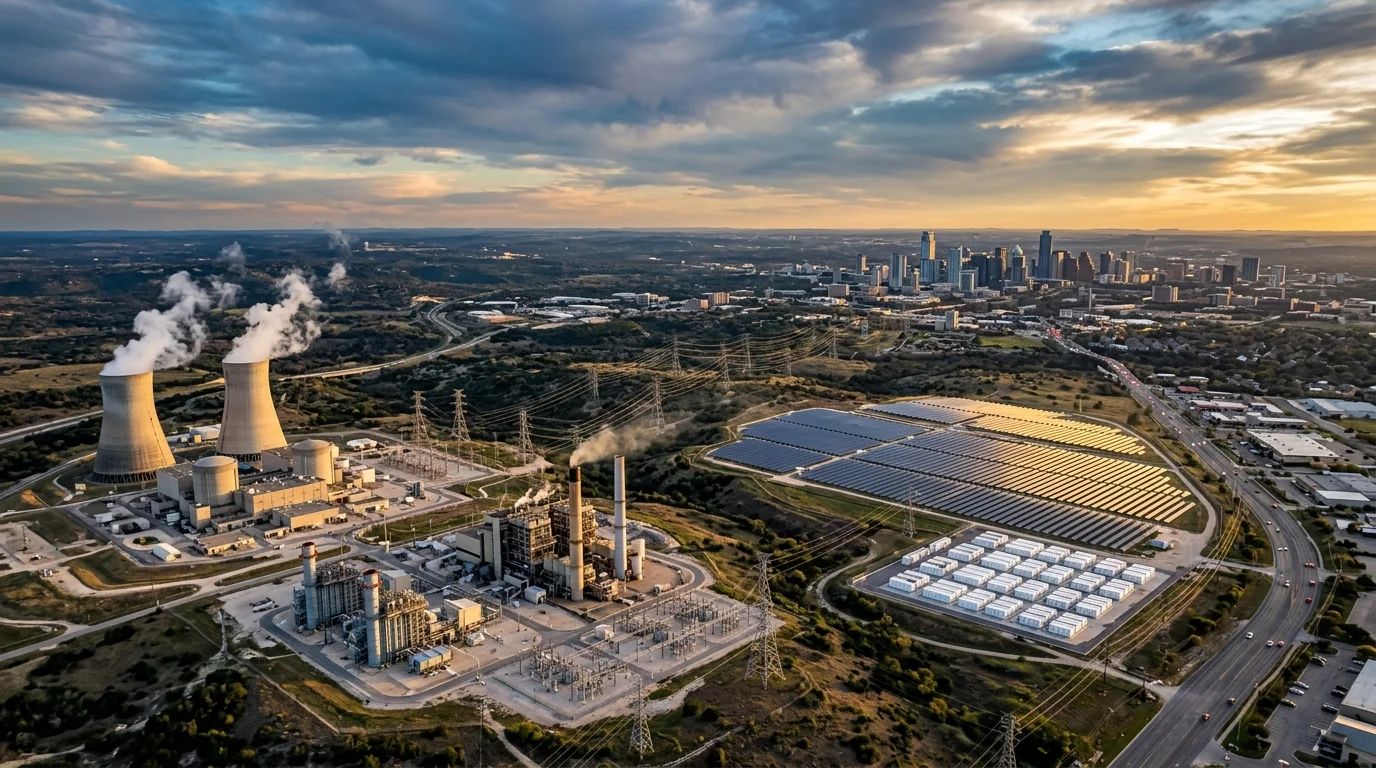
Not every region pays plants the same way. Texas works like rideshare surge pricing: plants are paid mainly for the power they deliver, and the biggest paydays come in short bursts when supply runs tight. The East and California also pay a standing fee just for being available, like a driver paid to stay on call during busy hours, which makes plant income there steadier and settled further in advance.

How the segments fit

Vistra reports its business in five segments. Retail is the customer-facing half: the brands people buy electricity and natural gas from. Texas, East, and West are the generating half, power plants grouped by region, each selling into the grids in its region, to other companies, and, where Vistra has retail customers, to its own retail brands. The fifth, Asset Closure, cleans up retired plants and mines. The four active segments are described below.

Segments

Vistra’s Retail segment supplies electricity and natural gas to approximately five million homes and businesses through regional brands, including TXU Energy, Ambit, Dynegy, Homefield, and U.S. Gas & Electric. Residential customers can select fixed-rate plans for predictable bills, 100% renewable wind and solar options, and smart-thermostat programs that lower consumption. For commercial clients, contracts are structured around operational needs: companies can choose fixed pricing for budget certainty, market-indexed pricing for flexibility, or demand-response programs that compensate them for reducing power use during periods of extreme grid stress. Because Vistra operates its own power plants, these retail contracts are secured by physical, company-owned electricity generation rather than leaving customers exposed to the price swings of the open wholesale market.

The Texas segment manages Vistra’s power plants connected to the state's main electrical grid (ERCOT). Its primary customer is Vistra’s own retail division; directing the majority of its generated electricity to affiliated brands like TXU Energy gives consumers supply directly supported by physical power plants rather than open-market trading. The remaining output is sold through direct corporate contracts or into the wholesale market. In addition to selling power, these facilities earn revenue by providing essential standby reserves that help grid operators keep total supply and demand in balance. For wholesale purchasers, Vistra provides a large, diversified fleet capable of firing up rapidly when statewide power demand surges or when other generators fail unexpectedly.

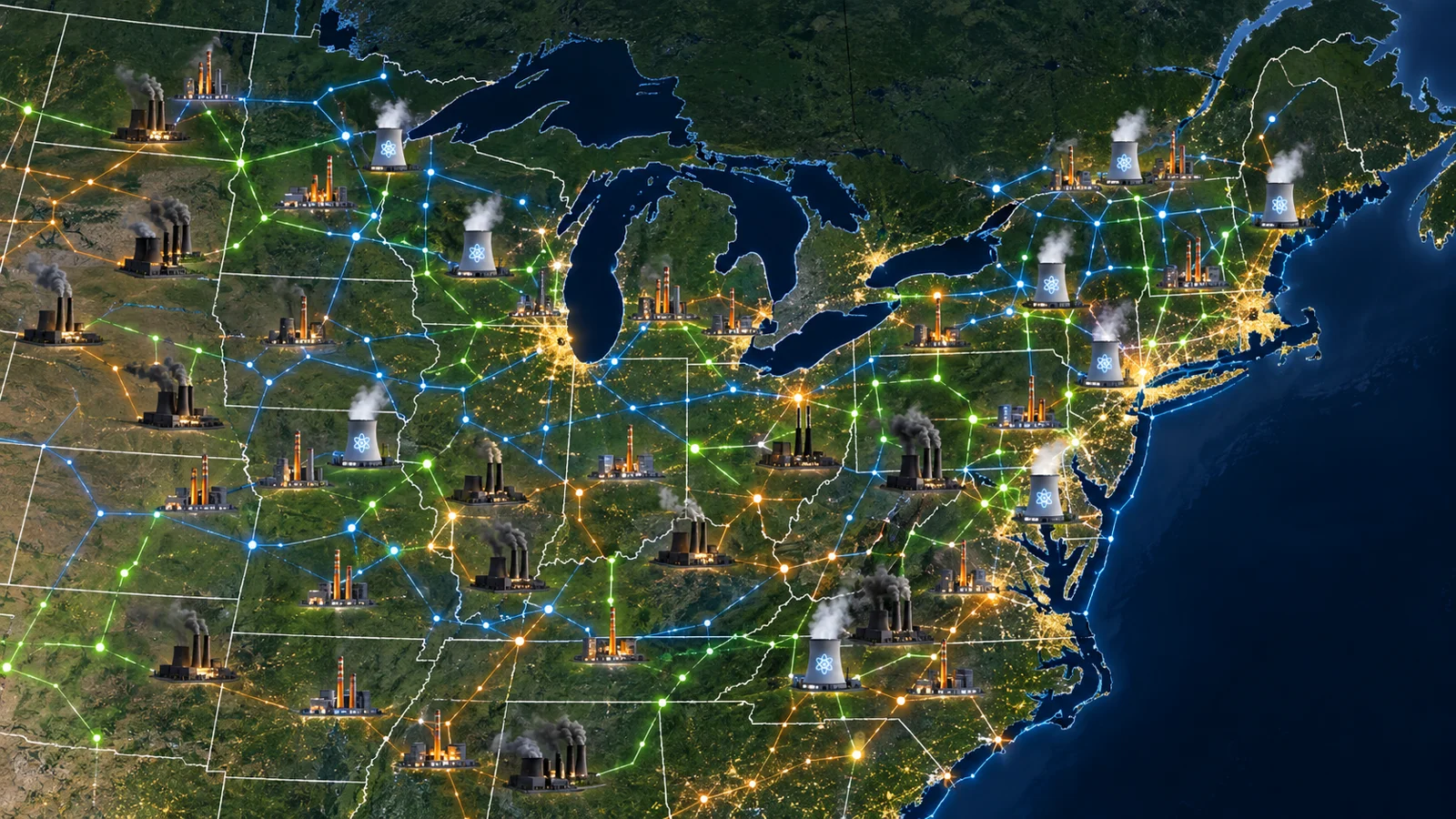
The East segment oversees power plants across the Midwest, Mid-Atlantic, and Northeast. Beyond supplying Vistra’s regional retail brands, these assets participate in a two-part wholesale market: they are paid for the actual electricity they dispatch, and they receive standby payments—determined through regional "capacity auctions"—for guaranteeing their availability during peak summer and winter demand. This guaranteed readiness gives grid operators the stability required to support regional load growth. Additionally, the segment’s nuclear facilities provide continuous, 24/7 zero-carbon power. This steady output has made them key partners for tech companies building energy-intensive data centers, who purchase this power through long-term, multi-decade contracts.

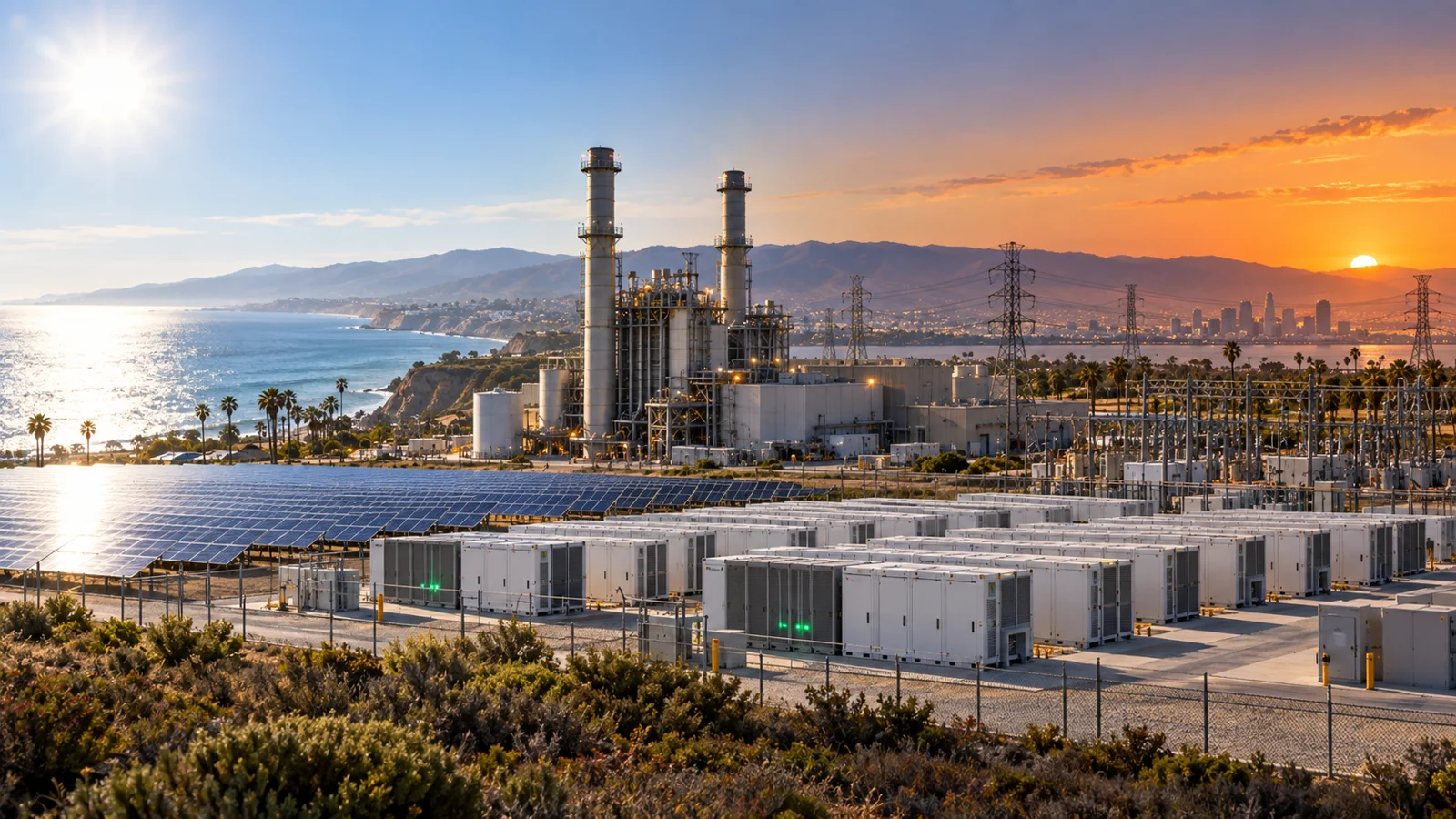
The West segment operates generation assets in California. Because Vistra maintains no retail business in the state, its customers are traditional electric utilities, local community energy providers, and the state grid operator. California mandates that power providers contract reserve capacity well in advance to prevent blackouts, particularly in the evening when solar production declines sharply. Vistra fulfills these requirements with flexible facilities designed to ramp up on short notice. In addition to these capacity contracts, the segment sells power into the state wholesale market and provides rapid frequency-balancing services to smooth out supply fluctuations caused by intermittent renewable generation.

Governance
Moat
Commodity trading, hedging & risk control
Retail marketing, pricing, billing & customer care
Regulatory affairs & compliance oversight (nuclear, environmental, market)
Finance, treasury, collateral & settlements
IT/cyber, HR & legal
Gas, nuclear, coal & solar generation fleet
Natural gas, nuclear fuel & coal
Purchased power, capacity & emissions allowances
Utility wire delivery services
Licensed plant workforce, parts & contractors
Forecast load & schedule generation
Procure fuel & purchased power
Operate, maintain, refuel & uprate plants
Bid & dispatch generation into ISO markets
Supply energy, capacity & ancillary services to ISOs & PPA customers
Supply retail load & pay wire delivery fees
Asset Safety, Reliability & Commodity Controls
Retail80.2% FY2025 external revenue
Texas5.3% FY2025 external revenue
East12.2% FY2025 external revenue
West1.8% FY2025 external revenue